



Adrenergic Receptor
Beta Receptor
Adrenergic receptors are a class of G protein-coupled receptors that are targets of the catecholamines, especially norepinephrine and epinephrine. Many cells possess these receptors, and the binding of a catecholamine to the receptor will generally stimulate the sympathetic nervous system. The sympathetic nervous system is responsible for the fight-or-flight response, which includes widening the pupils of the eye, mobilizing energy, and diverting blood flow from non-essential organs to skeletal muscle. There are two main groups of adrenergic receptors, α and β, with several subtypes. α receptors have the subtypes α1 and α2. β receptors have the subtypes β1, β2 and β3. All three are linked to Gs proteins, which in turn are linked to adenylate cyclase. Agonist binding thus causes a rise in the intracellular concentration of the second messenger cAMP. Downstream effectors of cAMP include cAMP-dependent protein kinase (PKA), which mediates some of the intracellular events following hormone binding.
Adrenergic Receptor Isoform Specific Products
All Product Categories
-
Adrenergic Receptor Inhibitors
(267)
View all products
-
Adrenergic Receptor Agonists
(502)
View all products
-
Adrenergic Receptor Antagonists
(547)
View all products
-
Adrenergic Receptor Activators
(45)
View all products
-
Adrenergic Receptor Modulators
(19)
View all products
-
Adrenergic Receptor Degraders
(2)
View all products
-
Adrenergic Receptor Controls
(8)
View all products
-
Adrenergic Receptor Substrates
(3)
View all products
-
Adrenergic Receptor Ligands
(17)
View all products
-
Adrenergic Receptor Related Products (1628)
Related Products (1628)

-
Antibodies (4)
-
Adrenergic Receptor Isoform Comparison
-
(-)-Penbutolol
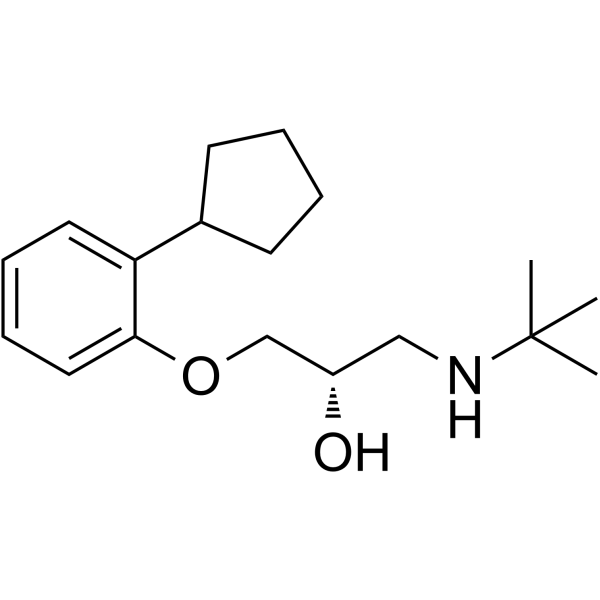 0 ImagesSynonyms: (S)-Penbutolol; (-)-Isopenbutolol(-)-Penbutolol ((S)-Penbutolol) is a potent β-adrenoceptor and 5-HT receptor antagonist with Ki values of 11.6 nM and 11.9 nM for 5-HT in rat cornu ammonis 1 (CA1) and human CA3.
-
Bupranolol
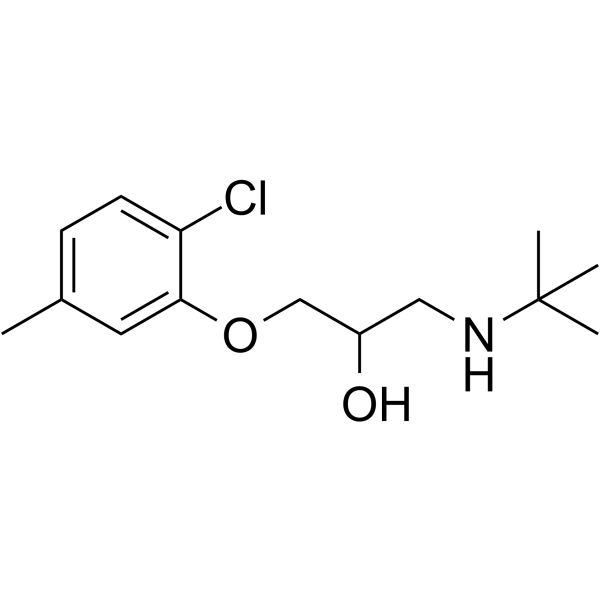 0 ImagesBupranolol is an orally active, competitive and non-selective β-adrenoceptor antagonist without intrinsic sympathomimetic activity.
-
Salbutamol-d9 acetate
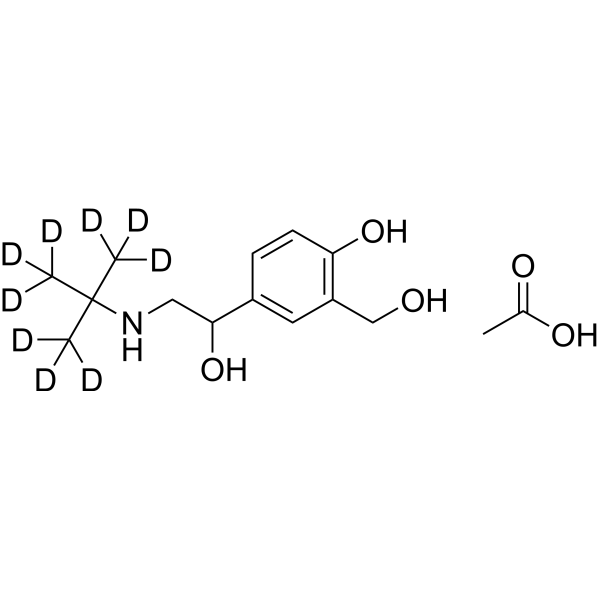 0 ImagesSynonyms: Albuterol-d9 acetate; AH-3365-d9 acetateSalbutamol-d9 (Albuterol-d9) acetate is the deuterium labeled Salbutamol (HY-B1037). Salbutamol (Albuterol) is an orally active short-acting β2-adrenergic receptor agonist. Salbutamol promotes tumorigenesis in gastric cancer cells through the β2-AR/ERK/EMT pathway. Salbutamol can relax bronchial smooth muscle and is used to study bronchospasm induced by asthma and chronic obstructive pulmonary disease.
-
KMCA-0011
 0 ImagesCat. No.: HY-179390Purity: 99.88%KMCA-0011 is an orally active ɑ2C adrenoceptor antagonist (Ki = 56.7 nM). KMCA-0011 alleviates depressive behaviors by enhancing BDNF and synaptic plasticity. KMCA-0011 displays favorable metabolic stability, including high plasma stability (99.8% after 120 min). KMCA-0011 can be used for the research of depression.
-
Benzquinamide hydrochloride
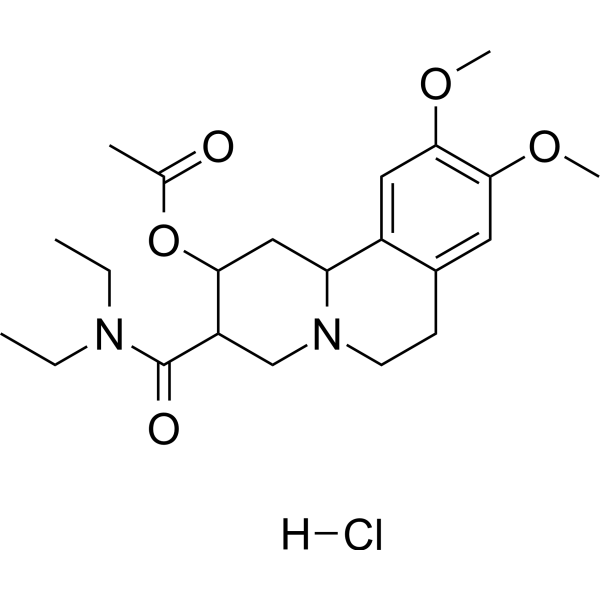 0 ImagesSynonyms: P2647 hydrochloride; BZQ hydrochloride; Benzoquinamide hydrochlorideBenzquinamide (P2647; BZQ; Benzoquinamide) hydrochloride is an orally active binder of dopamine receptors and adrenergic receptors. Benzquinamide hydrochloride specifically targets dopamine D2, D3, D4 receptors and α-2A, α-2B, α-2C adrenergic receptors. Benzquinamide hydrochloride regulates blood pressure and heart rate, attenuates the pressor effect of adrenaline, and exhibits activities such as antiemesis, anxiolysis, and reduction of histamine-induced bronchoconstriction. Benzquinamide hydrochloride has good safety and does not deplete serotonin or norepinephrine in the brain. Benzquinamide hydrochloride can be used in studies related to nausea/vomiting, mental disorders, anxiety states, neurosis, and psychosis.
-
Romifidine hydrochloride
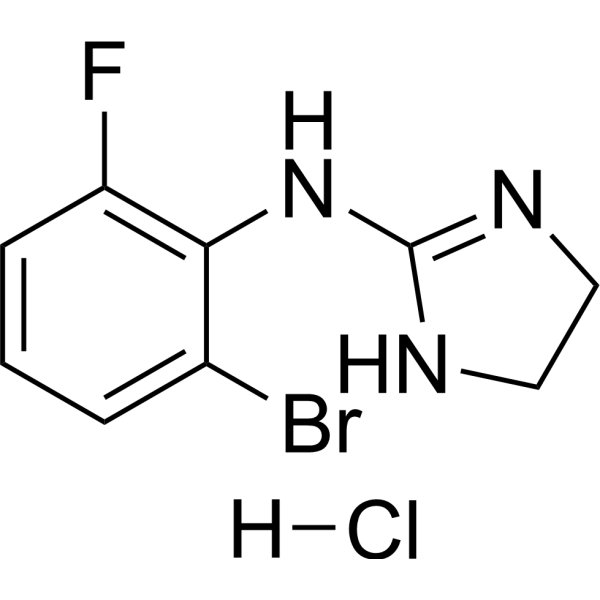 0 ImagesCat. No.: HY-119456ACAS No.: 65896-14-2Romifidine hydrochloride is an α2 adrenergic receptor agonist. Romifidine hydrochloride shows sedation effects in vivo.
-
Napamezole hydrochloride
 0 ImagesNapamezole hydrochloride is an orally active α-2 adrenergic receptor antagonist and serotonin (5-HT Receptor) reuptake inhibitor, with Ki values of 28 nM and 93 nM for rat α-2 and α-1 adrenergic receptors, respectively. Napamezole hydrochloride can be used for the research of depression.
-
N-(Phenylacetyl-d5)glycine
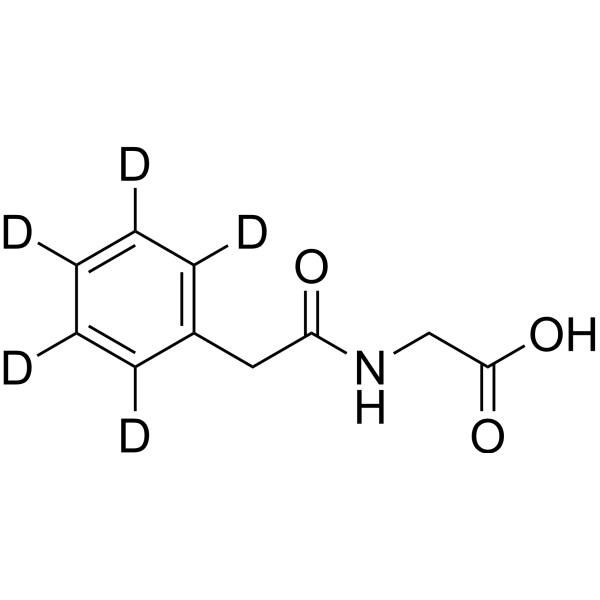 0 ImagesCat. No.: HY-W015061SCAS No.: 1189920-31-7Synonyms: 2-(2-Phenylacetamido)acetic acid-d5N-(Phenylacetyl-d5)glycine is the deuterium labeled Phenylacetylglycine. Phenylacetylglycine is a gut microbial metabolite that can activate β2AR. Phenylacetylglycine protects against cardiac injury caused by ischemia/reperfusion.
-
Terazosin-d8
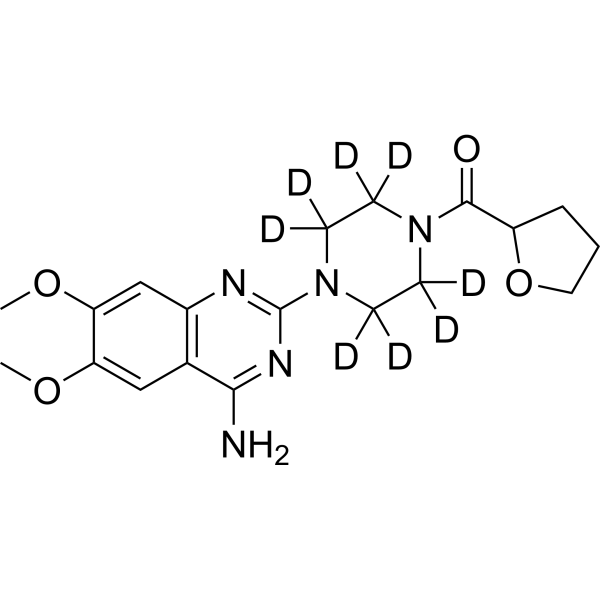 0 ImagesCat. No.: HY-B0371SCAS No.: 1006718-20-2Terazosin-d8 is deuterium labeled Terazosin. Terazosin is a quinazoline derivative and a competitive and orally active α1-adrenoceptor antagonist. Terazosin works by relaxing blood vessels and the opening of the bladder. Terazosin has the potential for benign prostatic hyperplasia (BPH) and high blood pressure treatment.
-
Yohimbic acid hydrate
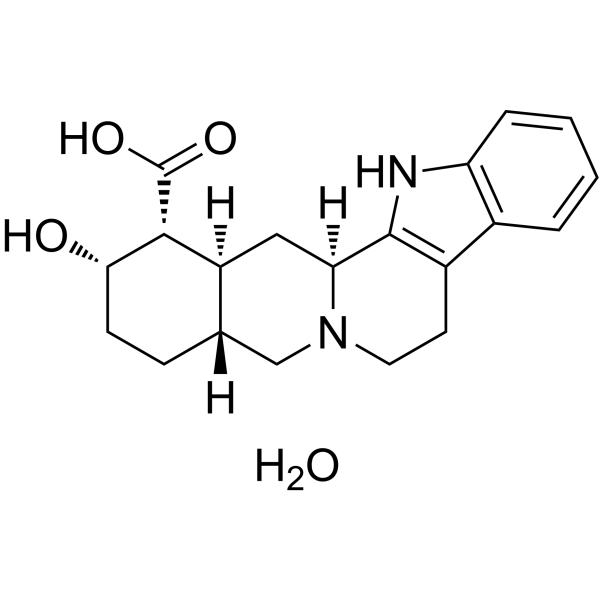 0 ImagesYohimbic acid hydrate is a derivative of Yohimbine Hydrochloride (HY-N0127). Yohimbic acid hydrate exhibits vasodilatory and anticancer activities. Yohimbic acid hydrate can be used for the research of cancer, inflammation and cardiovascular disease.
-
Pafenolol
 0 ImagesPafenolol is a selectively oral-active β1 adrenergic receptor (β1-adrenergic receptor) antagonist that effectively lowers blood pressure. Pharmacokinetic studies in rats indicate that the absorption of Pafenolol is influenced by gastrointestinal contents, with food intake reducing the bioavailability of Pafenolol in rats. Pafenolol can be used in research related to cardiovascular diseases and asthma.
-
Tulobuterol-d9 hydrochloride
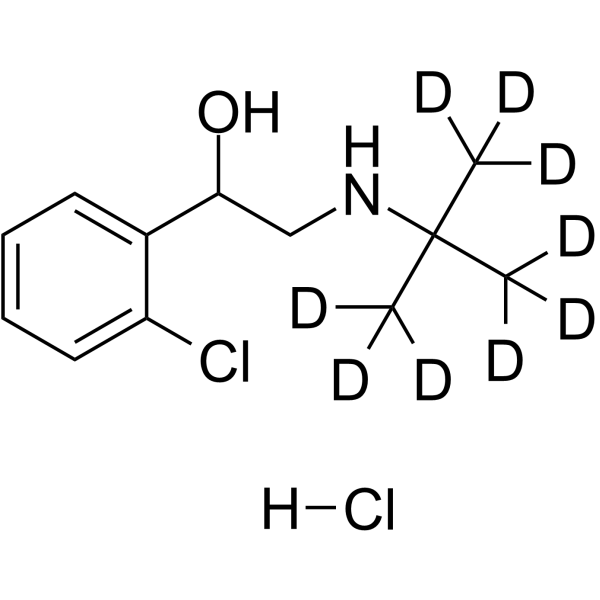 0 ImagesSynonyms: C-78-d9Tulobuterol-d9 (hydrochloride) is the deuterium labeled Tulobuterol. Tulobuterol (C-78 free base) is a long-acting β2-adrenoceptor agonist, which reduces the frequency of exacerbations of chronic obstructive pulmonary disease and bronchial asthma. Tulobuterol is also a sympathomimetic agent used as a transdermal patch, and increases normal diaphragm muscle strength.
-
Metipranolol hydrochloride
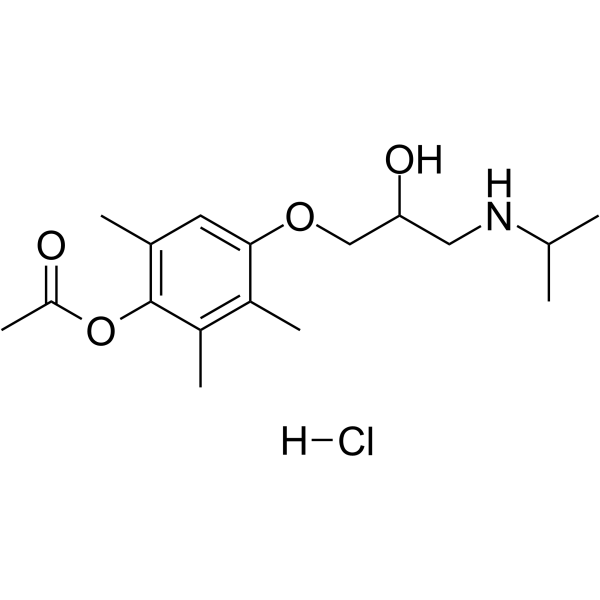 0 ImagesMetipranolol hydrochloride is a non-selective β adrenergic receptor blocking agent.
-
(E)-10-Hydroxynortriptyline-d3
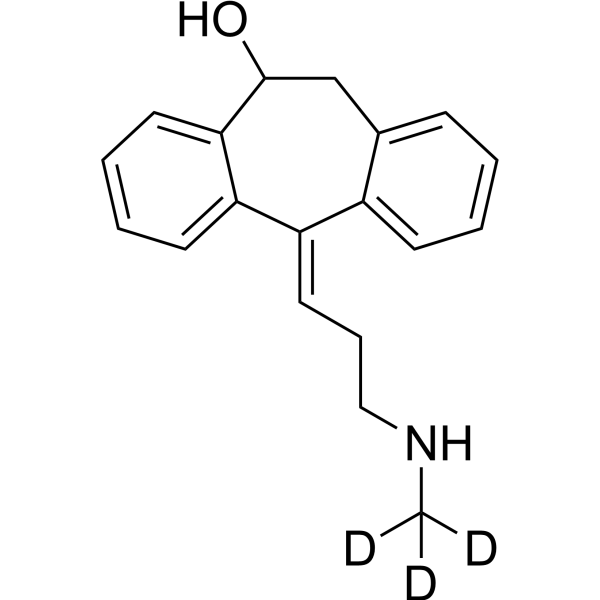 0 ImagesCat. No.: HY-U00050SPurity: 99.65%Synonyms: E-10-OH-NT-d3(E)-10-Hydroxynortriptyline-d3 (E-10-OH-NT-d3) is the deuterated-labeled (E)-10-Hydroxynortriptyline (HY-U00050). (E)-10-Hydroxynortriptyline (E-10-OH-NT) is a blood-brain barrier-permeable norepinephrine uptake inhibitor. (E)-10-Hydroxynortriptyline effectively promotes central norepinephrine neuronal transmission, with little interindividual variation in in vivo potency. (E)-10-Hydroxynortriptyline has low affinity for muscarinic receptors, exhibits only extremely weak anticholinergic activity, and does not inhibit salivary secretion. (E)-10-Hydroxynortriptyline can be used in studies related to depression.
-
BAY-6096
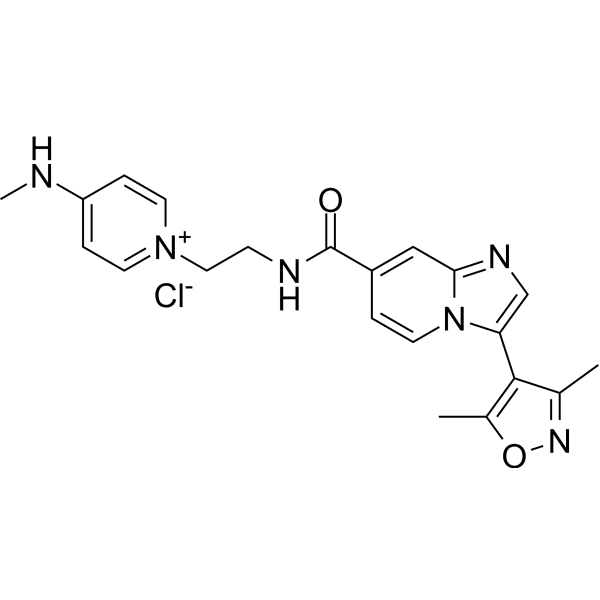 0 ImagesBAY-6096, a chemical probe, is a potent, selective, and highly water-soluble adrenergic receptor α2B antagonist with an IC50 of 14 nM. BAY-6096 can effectively reduceα 2B receptor agonist-induced rat vascular contraction.
-
Guancydine
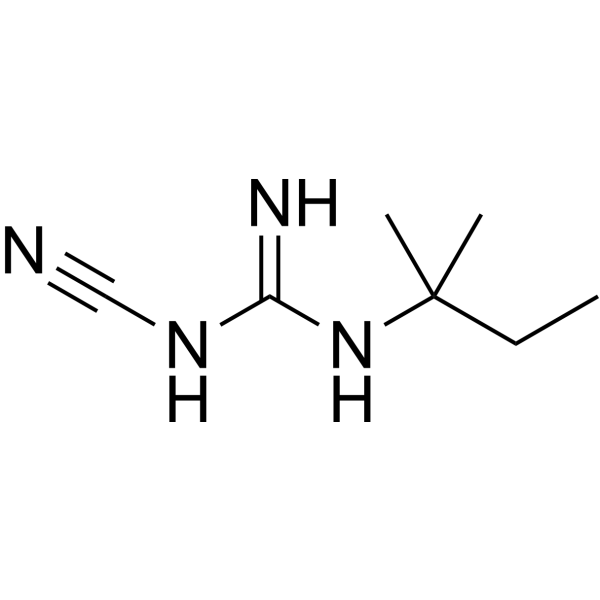 0 ImagesGuancydine (Guancidine) is an orally active antihypertensive agent and vasodilator. Guancydine antagonizes the pressor effects of Angiotensin and Norepinephrine (HY-13715). Guancydine induces vasodilation in renal, mesenteric and cranial vascular beds, reduces peripheral resistance, increases cardiac output and lowers arterial blood pressure. Guancydine increases renal and forearm blood flow, reduces renal and forearm vascular resistance, alters cardiac systolic time, and reverses myocardial hypertrophy in hypertensive rats. Guancydine is applicable for research related to hypertension.
-
(Rac)-Nebivolol
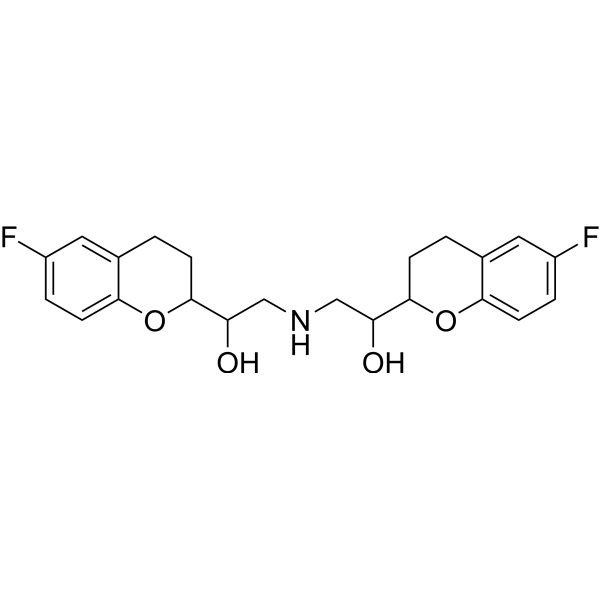 0 ImagesCat. No.: HY-B0203BCAS No.: 99200-09-6Synonyms: (Rac)-R 065824(Rac)-Nebivolol ((Rac)-R 065824) is a racemic isomer of Nebivolol. Nebivolol is a selective β1-adrenergic receptor antagonist with an IC50 value of 0.8 nM. Nebivolol can prevent up-regulation of Nox2/NADPH oxidase and lipoperoxidation in the early stages of ethanol-induced cardiac toxicity. Vasodilatory activity.

-
Bunitrolol
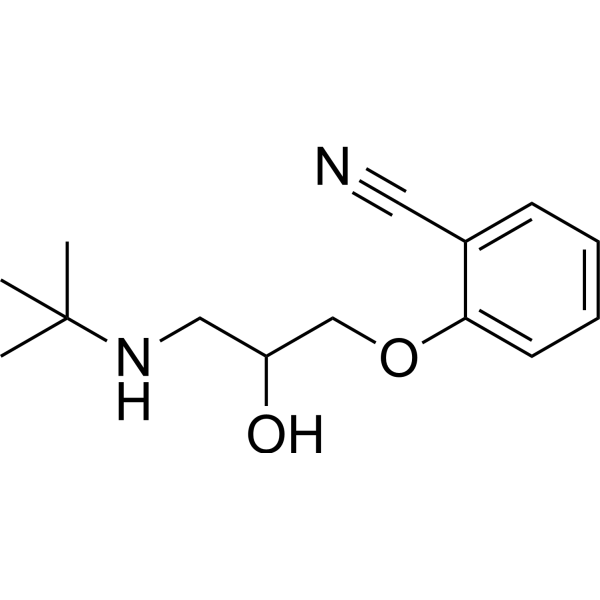 0 ImagesSynonyms: KO 1366Bunitrolol hydrochloride is an orally active β-adrenergic blocker that has a high affinity for β-adrenergic receptors. Bunitrolol hydrochloride exerts significant β-receptor antagonist activity and has weak α1-blocking activity. Bunitrolol hydrochloride is mainly used in the study of cardiovascular diseases such as hypertension and angina pectoris, and is also used in placental transport research.
-
Broxaterol
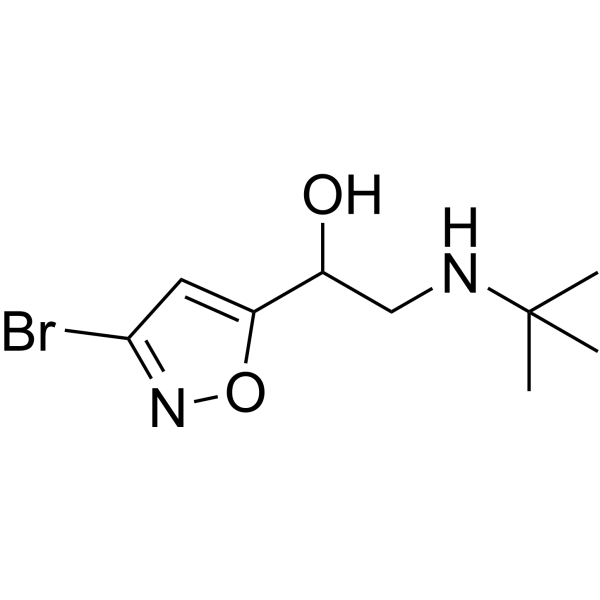 0 ImagesSynonyms: Z 1170Broxaterol (Z 1170) is the an agonist of β2 adrenergic receptor that affects the smooth muscle receptors in the body. Broxaterol plays an important role in respiratory disease.




